Lymphatic Drainage for Legs: Swelling, Heaviness and Lipoedema
Lymphatic drainage for legs is one of the most common reasons people book MLD with us. It can help legs feel lighter and less puffy, and many people with lipoedema find it eases pain and heaviness alongside compression. It does not remove fat, and some kinds of leg swelling need a doctor before any massage.
Why do legs swell and feel heavy?
Fluid naturally collects in the lower legs and ankles because of gravity, especially after long days standing, sitting at a desk or travelling. Healthdirect lists many causes of fluid retention, from hot weather, hormones and pregnancy to some medicines, and more serious causes such as heart, kidney or liver problems and blood clots.
The everyday kind usually affects both legs, gets worse through the day and improves overnight with your feet up. That is the kind lymphatic drainage massage is most suited to.
Swelling that needs a doctor first: one leg only, sudden swelling, a leg that is painful, warm, red or darkened, or swelling with shortness of breath or chest pain. These can be signs of a deep vein thrombosis (blood clot) or a heart problem. Healthdirect advises seeing a doctor straight away or going to the emergency department. Call 000 if you are short of breath.
How does lymphatic drainage for legs help swelling?
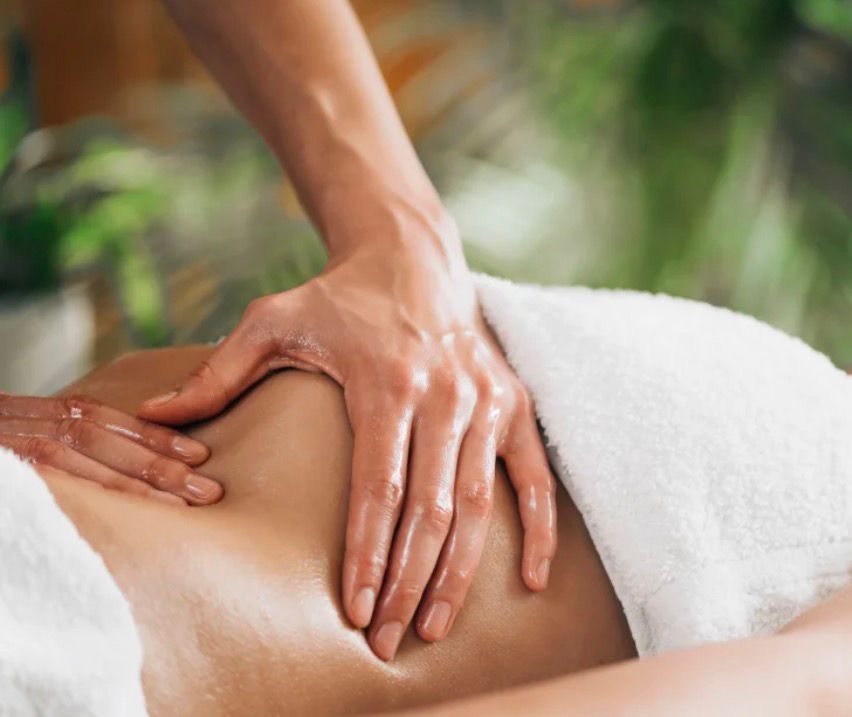
Manual lymphatic drainage uses light, slow, rhythmic strokes that gently stretch the skin towards the lymph nodes. For the legs, Sara usually starts at the neck and abdomen to clear the main drainage areas, then works up from the feet and ankles towards the groin.
According to Cleveland Clinic, lymphatic drainage massage aims to encourage the movement of lymph fluid and can help reduce swelling. Clients often describe their legs as feeling lighter and less tight afterwards, and many need the toilet more in the hours that follow.
The effect on everyday swelling tends to be temporary, because the reasons fluid collects (standing, heat, hormones) are still there. That is why we always pair the session with things you can do at home.
- Raise your legs above hip height for 15 to 20 minutes in the evening.
- Move your ankles and calves through the day, especially on long flights or desk days.
- Wear compression socks if your GP or pharmacist recommends them.
- Keep active. Walking and swimming help the calf muscles pump fluid upwards.
Can lymphatic drainage help lipoedema?
Lipoedema is a long-term condition where fat builds up unevenly, usually in the legs and sometimes the arms, mostly in women. The legs often feel heavy and painful and bruise easily. Healthdirect notes that lipoedema tissue does not go away with dieting or weight loss, that there is no cure, and that compression can ease pain.
People with lipoedema regularly say that MLD combined with compression is what eases their pain and heaviness the most, and patient registries back up that experience. The research on MLD alone for lipoedema is limited, though. Most studies look at it as part of a package with compression, movement and skin care.
| Question | Honest answer |
|---|---|
| Will MLD remove lipoedema fat? | No. It does not reduce the fat itself. |
| Can it ease pain and heaviness? | Many people find it helps, especially with compression. |
| Will deep massage work better? | No. Lipoedema tissue bruises easily, so firm pressure is avoided. |
| Is it a cure? | No. Lipoedema is managed over the long term. |
| Do I need a diagnosis? | It helps. A GP or specialist can confirm it and rule out other causes. |
If you have lipoedema with secondary lymphoedema, or lymphoedema from cancer treatment, your care should be led by an accredited lymphoedema therapist. The Australasian Lymphology Association describes MLD as one part of a wider treatment that includes compression, which it calls a cornerstone of care.
What does a leg-focused lymphatic session feel like?
You lie on your back, with a pillow under your knees, covered with towels. Sara begins with a few minutes of gentle work at the neck and collarbones, then the abdomen, before moving to the thighs, knees, calves and feet. The strokes are slow, light and repetitive, more like a gentle stretch of the skin than a rub.
Most people find it relaxing enough to doze. If you have lipoedema and your legs bruise easily or feel tender, tell Sara at the start so she can keep pressure especially light around the most sensitive areas. Afterwards, expect to need the toilet within an hour or two, and put any prescribed compression back on soon after.
How often should you have lymphatic drainage on your legs?
There is no single right answer, and you will see advice ranging from twice a week to once a month. Here is how we usually suggest people start:
| Your situation | A common starting point |
|---|---|
| Occasional puffy ankles after travel or long days | One session, then as needed |
| Regular heaviness from standing work | A few sessions close together, then every few weeks |
| Lipoedema, alongside compression | Weekly or fortnightly for a while, then review |
| After leg or cosmetic surgery | As your surgeon advises, often more frequent early on |
Cleveland Clinic suggests that if several sessions bring no improvement, it is worth asking a health professional about other options. We agree. If your legs are not responding, Sara will say so rather than keep booking you in. Read more on how often to get lymphatic drainage.
When should you stop booking and see a doctor?
If your legs keep swelling despite regular sessions, compression and movement, that is a signal to get checked. Ongoing swelling can sometimes point to vein problems, heart or kidney issues, or lymphoedema, which need a proper diagnosis. Sara will raise this with you rather than keep booking you in.
Who should not have lymphatic drainage on their legs?
MLD is gentle, but it is not suitable for everyone. Cleveland Clinic lists conditions where lymphatic drainage should be avoided, and Sara screens for these at every first visit:
- A known or suspected blood clot (DVT)
- Cellulitis or another skin infection on the legs
- Fever or feeling acutely unwell
- Heart failure or significant heart disease
- Kidney failure
- Active cancer, unless your specialist has approved it
If any of these apply, please talk to your doctor first. For more detail, see is lymphatic drainage safe and our page on lymphatic drainage and fluid retention.
Book a gentle leg session
Colonic Irrigation
60-minute appointment with a health consultation, the colonic itself and aftercare advice from Sara.
Colonic irrigation detailsLymphatic Drainage
50-minute manual lymphatic drainage massage using slow, light, rhythmic strokes.
Lymphatic drainage detailsRESET Detox Package
Lymphatic drainage followed by colonic irrigation in one booking, for clients who want both.
RESET package detailsCompare all prices on the pricing page, or read about Sara's background.
Frequently Asked Questions
Does lymphatic drainage help swollen legs?
It can help everyday swelling and heaviness in both legs feel better, usually for a while, because it encourages fluid to move towards the lymph nodes. Raising your legs, moving and compression help keep the effect going.
Can lymphatic drainage reduce lipoedema?
It does not reduce lipoedema fat. Many people with lipoedema find MLD, together with compression, eases pain and heaviness. It is best used as part of a long-term plan with your doctor.
When is leg swelling an emergency?
Swelling in one leg only, sudden swelling, a leg that is painful, warm or red, or swelling with shortness of breath or chest pain needs urgent medical care. Call 000 if you are short of breath.
Is lymphatic drainage painful on the legs?
No. The pressure is very light. If you have lipoedema and bruise easily, tell Sara so she can keep it especially gentle.
How long do results last?
It depends on the cause of the swelling. For everyday fluid retention, the lighter feeling often lasts a day or two. Compression, movement and raising your legs help it last longer.
Should I wear compression after lymphatic drainage?
If your doctor or lymphoedema therapist has prescribed compression, put it back on soon after your session. Compression helps keep swelling down between treatments.
Can lymphatic drainage help swollen ankles after flying?
Many people find it helps puffy ankles after long flights. Moving your ankles during the flight, walking around and raising your legs afterwards also help. Swelling in one leg after a flight needs a doctor straight away.
Sources and further reading
- Healthdirect: Fluid retention (oedema)
- Healthdirect: Lipoedema
- Cleveland Clinic: Lymphatic drainage massage
- Australasian Lymphology Association: Lymphoedema management
- NHS: Deep vein thrombosis
This page is general information, not medical advice. If you have a diagnosed condition, talk to your GP before booking.
Book Lymphatic Drainage for Your Legs
A 50-minute session with Sara is $110. If your swelling sounds like something for a doctor first, she will tell you.
3/245 Macquarie St, Liverpool NSW 2170 · Mon to Sat, by appointment · 0437 577 324