Colonic Irrigation and Diverticulitis: Why We Say No, and What to Do Instead
If you have diverticulitis, colonic irrigation is not safe and we will not treat you. If you have diverticulosis or a past flare, you need your GP or specialist's clearance first. This page explains the terms, the risk, and what tends to help diverticular disease instead.
What is the difference between diverticulosis and diverticulitis?
The words sound alike and get mixed up all the time, including online. Healthdirect separates them like this:
| Term | What it means | Colonic at our clinic? |
|---|---|---|
| Diverticulosis | Small pouches (diverticula) in the bowel wall, usually with no symptoms. Very common as people age. | Only with written clearance from your GP or specialist |
| Diverticular disease | Pouches that cause symptoms such as pain, bloating or changes in bowel habit | Only with written clearance from your GP or specialist |
| Diverticulitis | The pouches become inflamed or infected, usually with pain, fever and feeling unwell | No. Never during or soon after a flare |
Many people over 50 have diverticulosis without knowing it. It is often found by chance during a colonoscopy. That is one reason Sara asks about recent bowel investigations at every first appointment.
Why is colonic irrigation risky with diverticulitis?
In diverticulitis, the wall of the bowel around the pouches is inflamed and weaker than normal. Water flowing in under gentle pressure, plus abdominal massage, is not something an inflamed bowel wall needs.
The worst-case risk is perforation, a small tear in the bowel wall. The NHS explains that a perforated diverticulum can lead to peritonitis, a serious infection of the abdominal lining that needs urgent hospital care. Cleveland Clinic lists diverticulitis among the conditions where colon cleansing should be avoided.
See a doctor urgently, not a colonic therapist, if you have severe tummy pain (often low on the left side), a fever, vomiting, or blood or mucus in your stool. Healthdirect lists these as reasons to seek medical help straight away.
Will a colonic clean out the pouches and stop future flares?
This is the question we hear most from people with diverticular disease, and the honest answer is no. Some websites claim that colonics "flush out" diverticula and prevent infections. We could not find any reliable study that supports this. The pouches are part of the bowel wall itself, and nothing about irrigation changes them.
What does have good backing is less exciting but more useful: a high-fibre diet introduced gradually, enough fluid, regular movement, and medical treatment of flares when they happen. Healthdirect recommends a high-fibre diet for diverticular disease, and your GP or a dietitian can help you build up fibre slowly so it does not cause extra bloating.
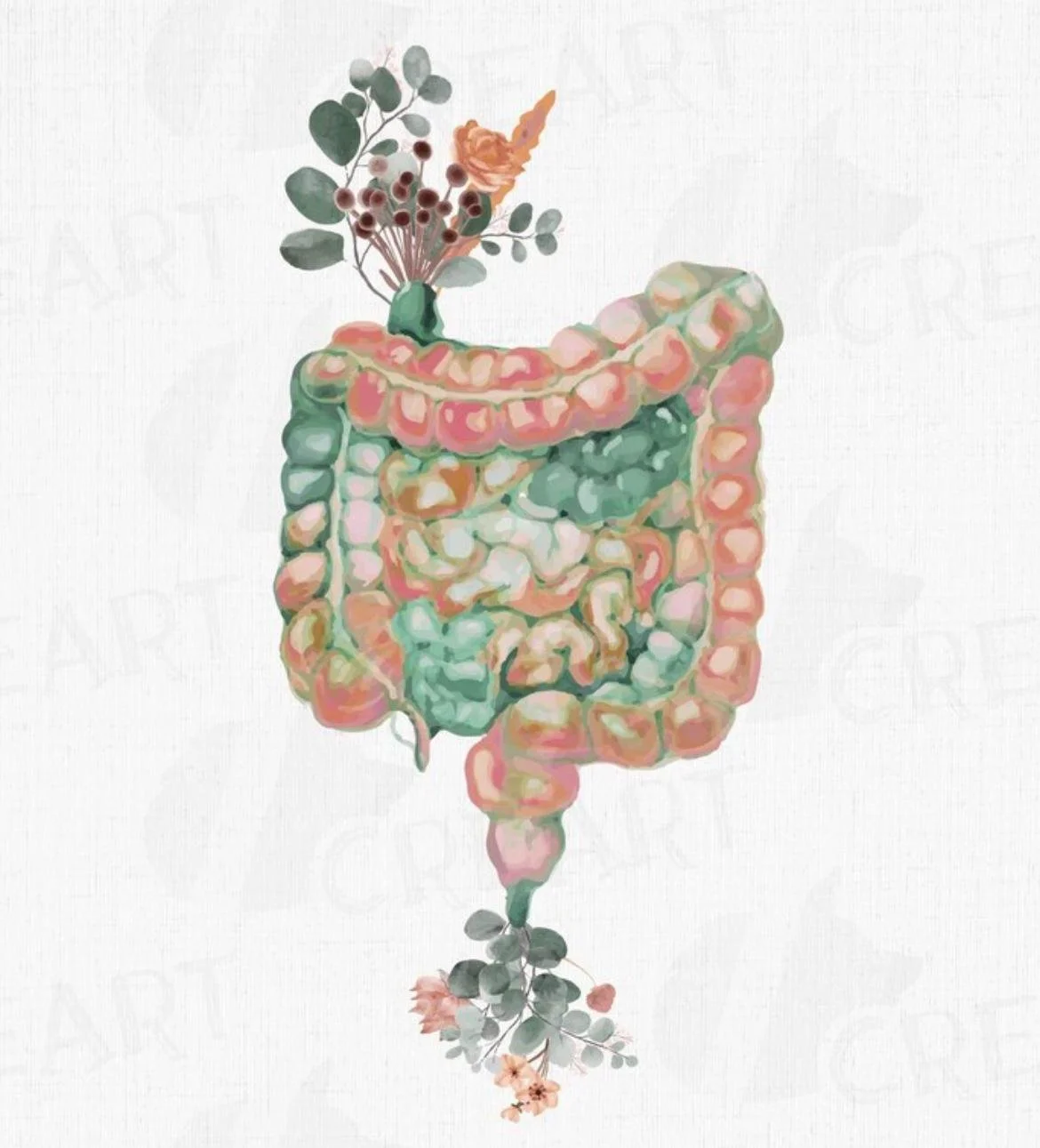
I have diverticulosis but no symptoms. Can I have a colonic?
Possibly, but not without your doctor's input. There is no good evidence either way on colonic safety in diverticulosis, which is exactly why we do not make that call ourselves. Here is how we handle it at the clinic:
- Tell Sara in the phone consult or booking notes that you have diverticulosis or diverticular disease.
- Ask your GP or gastroenterologist whether colonic irrigation is safe for you specifically. Mention any past flares, antibiotics or hospital stays.
- If they are comfortable, bring a short note or email confirming it.
- If they are not comfortable, we will not treat you. A lymphatic drainage massage may be a gentler option for relaxation and bloating, again with your doctor's okay.
If you have had a flare in the past few months, wait. Your bowel needs time to heal completely, and only your doctor can say when that has happened.
What helps diverticular disease day to day?
Because a colonic is off the table for many people with diverticular problems, here is what does help, according to Healthdirect and the NHS. Always check changes with your GP or a dietitian, particularly if you have had complications.
| Habit | Why it helps | How to start |
|---|---|---|
| More fibre, slowly | Softer, bulkier stools mean less pressure in the bowel | Add one high-fibre food every few days: oats, wholegrain bread, legumes, fruit with skin |
| Enough fluid | Fibre needs water to work well | Spread drinks through the day; more in hot weather |
| Regular movement | Helps the bowel move things along | A daily walk is a good start |
| Not straining | Straining raises pressure on the bowel wall | A small footstool under your feet on the toilet can help |
| Reviewing painkillers | Some types raise complication risk | Ask your GP before taking anti-inflammatories regularly |
Adding fibre too fast can cause wind and bloating at first, which puts people off. Going gradually over several weeks usually avoids this.
What questions should you ask your doctor about colonics?
If you have diverticulosis or diverticular disease and want to try a colonic, a short conversation with your GP or gastroenterologist will save you guessing. These questions cover what we need to know:
- Do I have diverticulosis only, or have I had diverticulitis or complications in the past?
- When was my last flare, and has the inflammation fully settled?
- Is there any narrowing, abscess or other change in my bowel that would make a colonic unsafe?
- Are any of my medicines a concern, such as blood thinners or regular anti-inflammatories?
- Would you be comfortable with me having a gentle colonic, and is there anything the therapist should avoid?
Write down the answers, or ask for a short note. Sara will read it at your consultation and treat within whatever limits your doctor sets.
What else should people with diverticular disease know?
- Medications matter. The NHS notes that anti-inflammatory painkillers and opioids can raise the risk of complications in diverticular disease. Check with your GP before taking them regularly.
- Constipation makes things worse. Hard stools and straining increase pressure in the bowel. Fibre, water and movement are the first steps.
- Screening still matters. Diverticular symptoms can overlap with other bowel problems. If you are 45 to 74, do the free kit from the National Bowel Cancer Screening Program when it arrives.
- A colonic is not a colonoscopy. If you are due for a bowel investigation, see our page on colonic irrigation vs colonoscopy.
We would rather lose a booking than put someone at risk. If a colonic is not right for you, Sara will say so and help you think about what might be.
Treatments we offer, with screening first
Colonic Irrigation
60-minute appointment with a health consultation, the colonic itself and aftercare advice from Sara.
Colonic irrigation detailsLymphatic Drainage
50-minute manual lymphatic drainage massage using slow, light, rhythmic strokes.
Lymphatic drainage detailsRESET Detox Package
Lymphatic drainage followed by colonic irrigation in one booking, for clients who want both.
RESET package detailsCompare all prices on the pricing page, or read about Sara's background.
Frequently Asked Questions
Can you have colonic irrigation with diverticulitis?
No. Active diverticulitis means the bowel wall is inflamed, and colonic irrigation could raise the risk of a tear. We do not treat anyone during or soon after a flare.
Is a colonic safe with diverticulosis?
There is no good evidence either way. We only treat people with diverticulosis or diverticular disease if their GP or specialist has confirmed it is safe for them.
Can a colonic prevent diverticulitis flares?
There is no reliable evidence that it can. A gradual increase in dietary fibre, enough fluid, regular exercise and medical care for flares are the approaches with real support.
How long after a diverticulitis flare can I have a colonic?
There is no standard waiting time. Your doctor needs to confirm the inflammation has fully settled and that a colonic is appropriate for you. Without that clearance, we will not proceed.
What are the warning signs of diverticulitis?
Severe tummy pain (often low on the left), fever, nausea or vomiting, and changes in bowel habit. Blood or mucus in your stool also needs a doctor. These need medical care straight away.
I am over 50 and not sure if I have diverticulosis. Does that matter?
Diverticulosis is common with age and often causes no symptoms, so many people do not know they have it. Tell Sara about any past colonoscopy findings. If you have had left-sided pain, fever or bleeding, see your GP before booking.
Can lymphatic drainage help with diverticular disease?
Lymphatic drainage does not treat diverticular disease, but some people find a gentle abdominal session relaxing. During a flare, or with severe pain or fever, no massage is appropriate. Check with your GP first.
Sources and further reading
- Healthdirect: Diverticular disease and diverticulitis
- NHS: Diverticular disease and diverticulitis
- Cleveland Clinic: Is colon cleansing safe?
- Mayo Clinic: Colon cleansing, is it helpful or harmful?
This page is general information, not medical advice. If you have a diagnosed condition, talk to your GP before booking.
Not Sure If a Colonic Is Safe for You?
Book a free phone consult. Sara will ask about your history and tell you honestly whether you need your doctor's clearance first.
3/245 Macquarie St, Liverpool NSW 2170 · Mon to Sat, by appointment · 0437 577 324