Colonic Irrigation for SIBO: An Honest Answer
Colonic irrigation does not treat SIBO. SIBO is an overgrowth of bacteria in the small intestine, and a colonic only reaches the large bowel. If you have SIBO symptoms, the right first step is a GP or gastroenterologist. This page explains why, and where a colonic might still fit for some people.
What is SIBO?
SIBO stands for small intestinal bacterial overgrowth. According to Cleveland Clinic, it happens when bacteria that normally live mostly in the large bowel build up in the small intestine. Common symptoms include bloating soon after eating, wind, tummy pain, diarrhoea or constipation, and sometimes nutrient problems.
It is usually diagnosed with a hydrogen and methane breath test and treated with targeted antibiotics, changes to diet, and work on the underlying cause, such as slow gut movement. The American College of Gastroenterology published a clinical guideline in 2020 that sets out this approach.
Could your bloating be SIBO, or something else?
Plenty of people who contact us about bloating assume it must be SIBO, but it has many possible causes. SIBO is only one of them. Others include constipation, IBS, food intolerances, coeliac disease, hormonal changes, and swallowing air when eating quickly.
Signs that make SIBO more likely, and are worth raising with your GP, include bloating that starts soon after meals, a lot of wind, diarrhoea or alternating bowel habits, and a history of bowel surgery or conditions that slow the gut. Some people also notice tiredness or signs of low iron or B12.
- Ask your GP whether a breath test is appropriate for you.
- Keep a simple food and symptom diary for two weeks before your appointment.
- Mention any medicines that reduce stomach acid, as these can play a part.
- Do not start a restrictive diet before testing unless your doctor suggests it, as it can affect results.
Getting the right diagnosis matters, because the treatments for SIBO, IBS and constipation are quite different.
Can colonic irrigation for SIBO reach the small intestine?
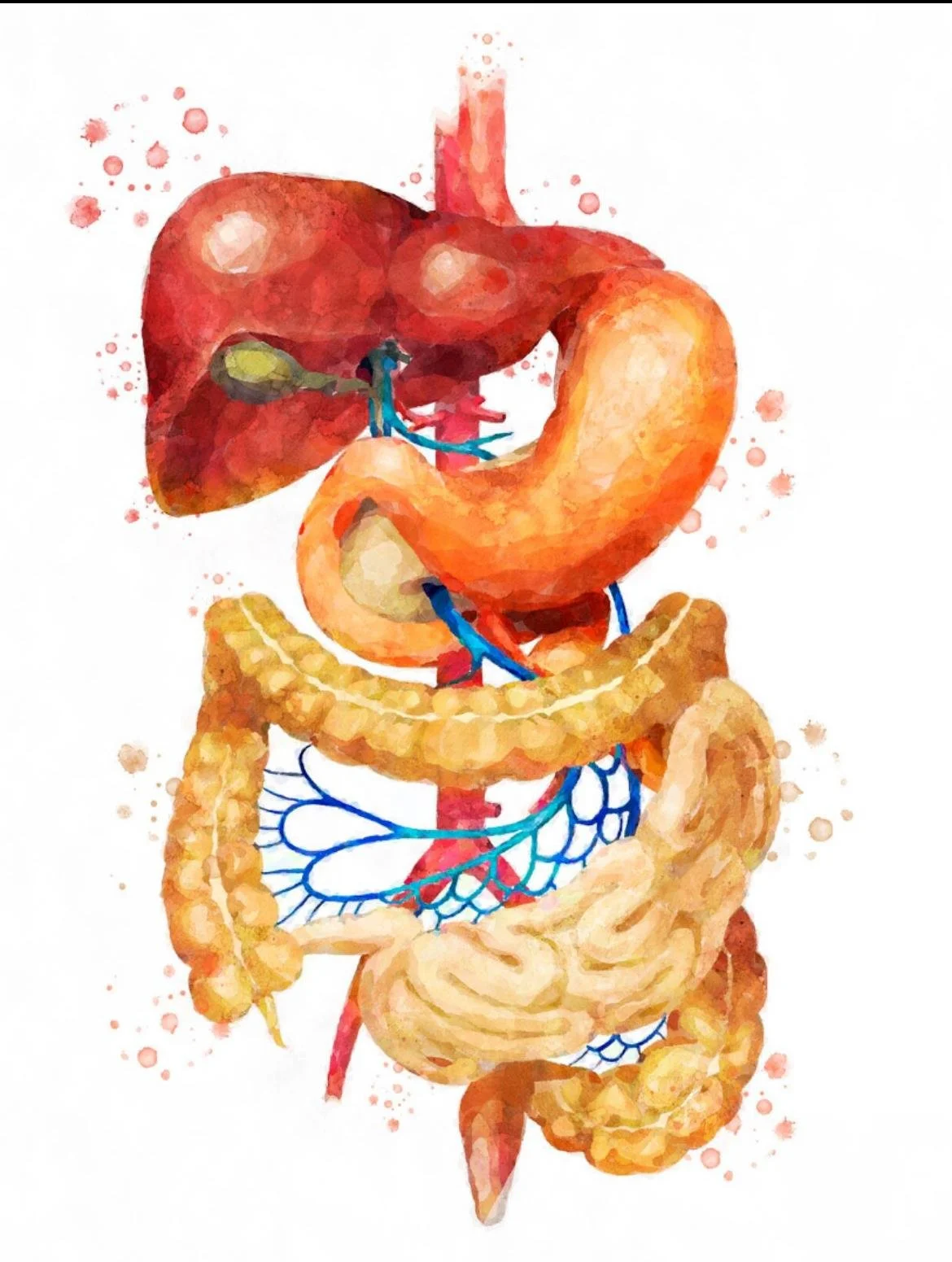
No. This is the key point many SIBO websites skip. During colonic irrigation, warm water goes in through the rectum and fills the large bowel. Between the large bowel and the small intestine sits the ileocaecal valve, which is designed to stop contents flowing backwards. The water in a colonic simply does not get to where SIBO lives.
| Small intestine | Large bowel (colon) | |
|---|---|---|
| Where SIBO happens | Yes | No |
| Reached by colonic irrigation | No | Yes |
| Main job | Digesting food and absorbing nutrients | Absorbing water and forming stools |
| Usual SIBO test | Breath test | Not used |
Monash University's FODMAP team, the Australian researchers behind the low FODMAP diet, also note that colonics work on the large bowel and that there is very little evidence for them in gut conditions like IBS.
Why do some people with SIBO say a colonic helped?
You will find people on health forums saying a colonic eased their SIBO bloating, and others saying it did nothing or made them feel worse. Both can be true at once. Here is why:
- Constipation often comes with SIBO, especially the methane-dominant type. Emptying a full large bowel can ease pressure and bloating for a while, even though the SIBO itself is untouched.
- Trapped wind is uncomfortable wherever it comes from. Releasing gas from the colon can feel like a big relief.
- Relief is temporary. If the cause is in the small intestine, the bloating usually returns once you eat again.
So a colonic might bring short-term comfort for some people with SIBO and constipation, but it is not a treatment and should not delay proper testing.
Can a colonic make SIBO worse?
There is no research on colonics and SIBO at all, so nobody can say for certain. What we do know is that Mayo Clinic lists cramping, bloating, diarrhoea and changes to fluid and salt balance as possible side effects of colon cleansing. If your gut is already sensitive, you may be more likely to feel those.
Some people also worry about disturbing their gut bacteria. Colonic irrigation mainly clears the contents of the large bowel, but if you are in the middle of SIBO treatment, it makes sense to check with the doctor treating you before adding anything else.
What should you tell a colonic therapist if you have gut symptoms?
Whether or not you have SIBO, a good therapist needs the full picture before any treatment. At our clinic, Sara asks about:
- Any diagnosis you have, such as SIBO, IBS, coeliac disease or inflammatory bowel disease
- Current treatments, including antibiotics, herbal antimicrobials or special diets
- Recent tests such as breath tests, scopes or blood tests, and their dates
- How often you open your bowels, and whether that has changed recently
- Any red-flag symptoms like bleeding, weight loss, night sweats or pain that wakes you
If anything in that list points to a problem that has not been looked at properly, she will suggest you see your GP before booking.
Honest information up front saves you time and money. It is far better to find out a colonic is not right for you in a free phone call than after paying for a session that could not help.
Where might a colonic fit if you have SIBO?
If you have been diagnosed and are under a doctor's care, a colonic is not part of SIBO treatment. Some people still choose one for constipation or comfort, and that is a decision to make with your treating doctor. If they are happy, Sara can work gently and adjust the session to how you feel.
- Get a proper diagnosis first. Bloating has many causes, and some need medical attention.
- Follow the treatment your GP or gastroenterologist recommends.
- If constipation is part of the picture, ask whether a colonic is appropriate for you.
- Tell Sara your diagnosis, medications and where you are in treatment.
If you are mainly dealing with bloating, our articles on chronic bloating and colonics and IBS cover what is realistic.
Our position: we will not advertise colonics as a SIBO treatment, because the evidence is not there. We would rather you see the right specialist first and come to us, if at all, for comfort and support.
Supportive treatments, honestly described
Colonic Irrigation
60-minute appointment with a health consultation, the colonic itself and aftercare advice from Sara.
Colonic irrigation detailsLymphatic Drainage
50-minute manual lymphatic drainage massage using slow, light, rhythmic strokes.
Lymphatic drainage detailsRESET Detox Package
Lymphatic drainage followed by colonic irrigation in one booking, for clients who want both.
RESET package detailsCompare all prices on the pricing page, or read about Sara's background.
Frequently Asked Questions
Does colonic irrigation help SIBO?
Colonic irrigation does not treat SIBO. SIBO is in the small intestine, and a colonic only reaches the large bowel. Some people with SIBO and constipation feel temporary relief from bloating, but the overgrowth itself is not affected.
Can a colonic reach the small intestine?
No. Water enters through the rectum and fills the large bowel. The ileocaecal valve between the large and small bowel stops it flowing back into the small intestine.
What is the treatment for SIBO?
SIBO is usually diagnosed with a breath test and treated by a doctor with targeted antibiotics, dietary changes and treatment of any underlying cause such as slow gut movement.
Is it safe to have a colonic while treating SIBO?
There is no research on this. Check with the doctor treating your SIBO first, and tell your colonic practitioner about your diagnosis and medications.
Why did a colonic help my bloating if it cannot treat SIBO?
If you were also constipated or had trapped wind in the large bowel, emptying it can relieve pressure for a while. The underlying SIBO is unchanged, so bloating often returns after eating.
Can colonics help IBS?
Monash University notes there is very little evidence for colonics in IBS. Some people with constipation-type IBS report feeling more comfortable afterwards, but results vary and it is not a treatment for IBS.
Should I stop probiotics before a colonic?
There is no need to stop them for a colonic. If you are under treatment for SIBO, follow your doctor's advice about probiotics and any other supplements.
Sources and further reading
- Cleveland Clinic: Small intestinal bacterial overgrowth (SIBO)
- Pimentel et al. (2020), ACG Clinical Guideline: Small Intestinal Bacterial Overgrowth
- Monash University FODMAP: Colonic irrigation
- Mayo Clinic: Colon cleansing, is it helpful or harmful?
This page is general information, not medical advice. If you have a diagnosed condition, talk to your GP before booking.
Have Questions About Your Gut?
Book a free phone consult with Sara. If a colonic is not the right step for you, she will tell you.
3/245 Macquarie St, Liverpool NSW 2170 · Mon to Sat, by appointment · 0437 577 324